
Foods for High Blood Pressure: 10 Natural BP Control Options
Foods for high blood pressure play an important role in managing hypertension naturally. High blood pressure, also called hypertension, is a common health issue today. Many people don’t even realize they have it because it usually shows no early symptoms.
High blood pressure, also called hypertension, is a common health issue today. Many people don’t even realize they have it because it usually shows no early symptoms. If left unmanaged, it can increase the risk of heart disease, stroke, and kidney problems.
Along with proper medical treatment, your daily diet plays a very important role in keeping blood pressure under control. Certain foods contain nutrients like potassium, magnesium, fiber, and antioxidants that help relax blood vessels and improve circulation. According to the World Health Organization (WHO)https://www.who.int/news-room/fact-sheets/detail/hypertension, hypertension is one of the leading causes of heart disease and stroke worldwide.
Here are 10 foods you should include in your routine to support healthy blood pressure levels naturally. Adding the right foods for high blood pressure to your daily diet can improve heart health and stabilize BP levels.
Best Foods for High Blood Pressure You Should Add to Your Diet
1. Green Leafy Vegetables
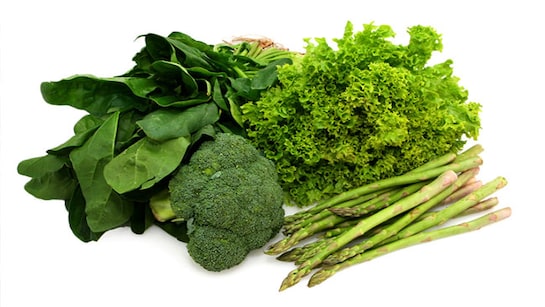
Vegetables like spinach, drumstick leaves, and amaranth are rich in potassium. This mineral helps remove excess sodium from the body, which is one of the main causes of high blood pressure.
They also contain nitrates that improve blood flow. Eating one serving of green vegetables daily can support heart health.Including the right foods for high blood pressure in your daily meals can significantly reduce hypertension risks.
2. Beetroot
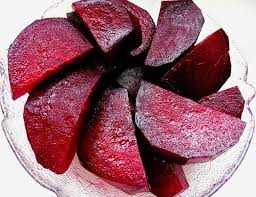
Beetroot is known for its natural nitrates, which help widen blood vessels and improve circulation. This can lead to a noticeable drop in blood pressure. Doctors often recommend natural foods for high blood pressure as part of a balanced heart-healthy diet.
You can consume it as juice, salad, or cooked vegetable.
3. Lentils and Beans
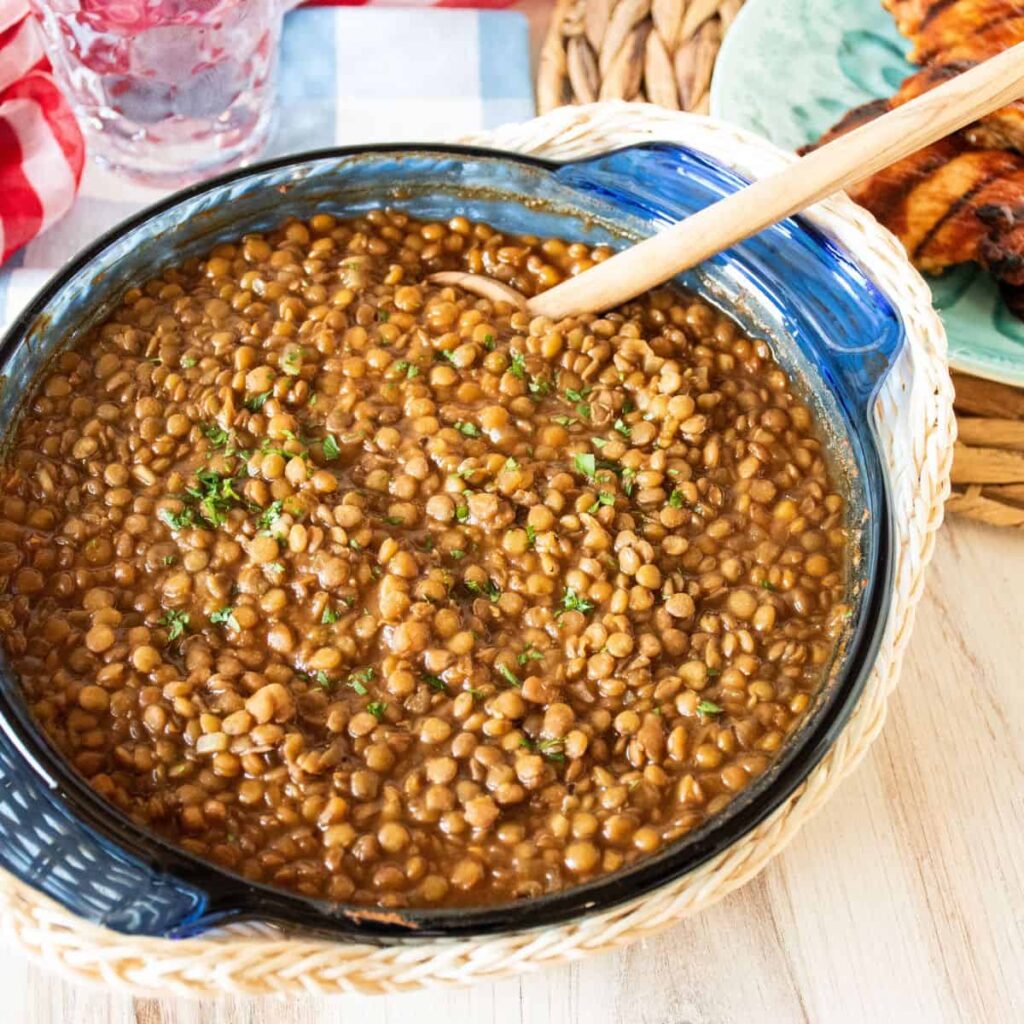
Legumes such as lentils, chickpeas, and beans are packed with fiber, protein, and potassium. These nutrients help maintain healthy cholesterol and blood pressure levels.
They are easy to include in soups, curries, and salads.
4. Oats
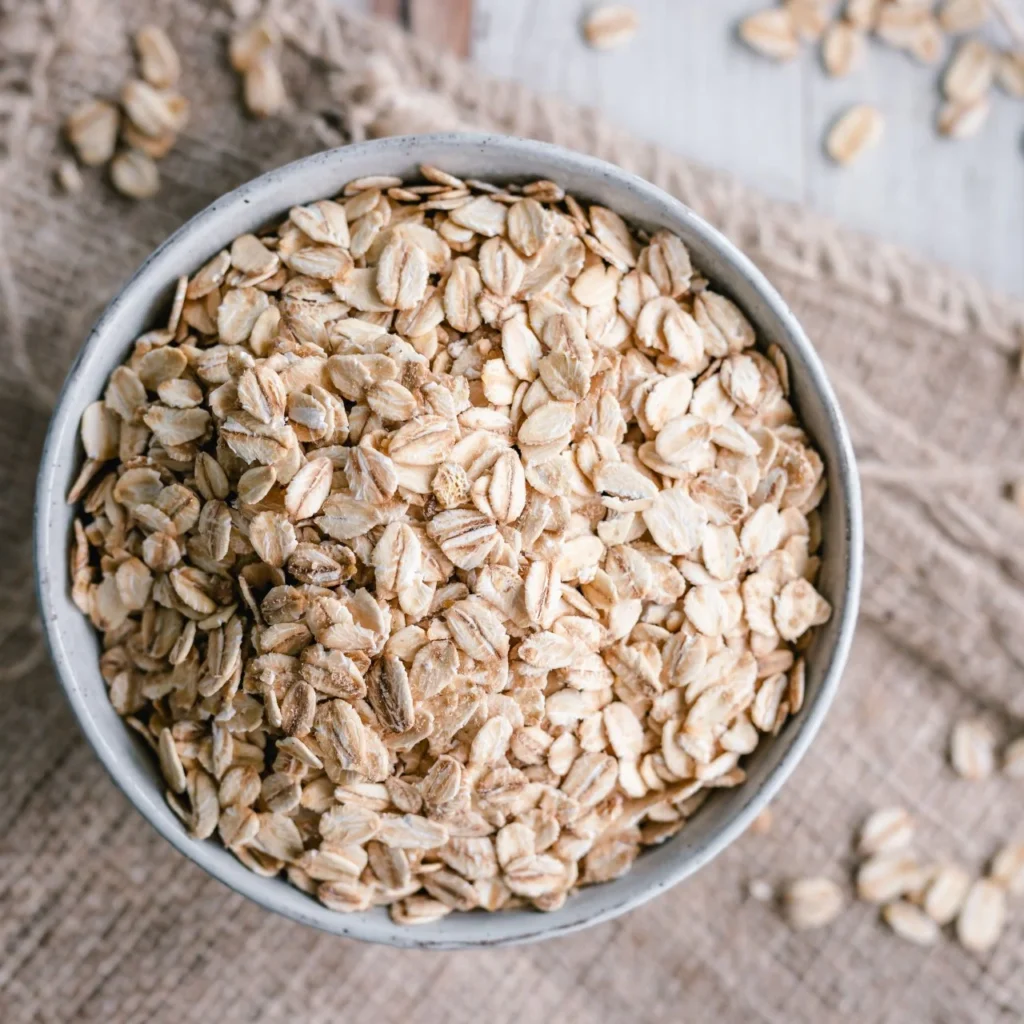
Oats contain a special fiber called beta-glucan, which helps reduce cholesterol and supports heart health. They also help regulate blood sugar levels.
Starting your day with oats is a simple way to support blood pressure control.
5. Bananas
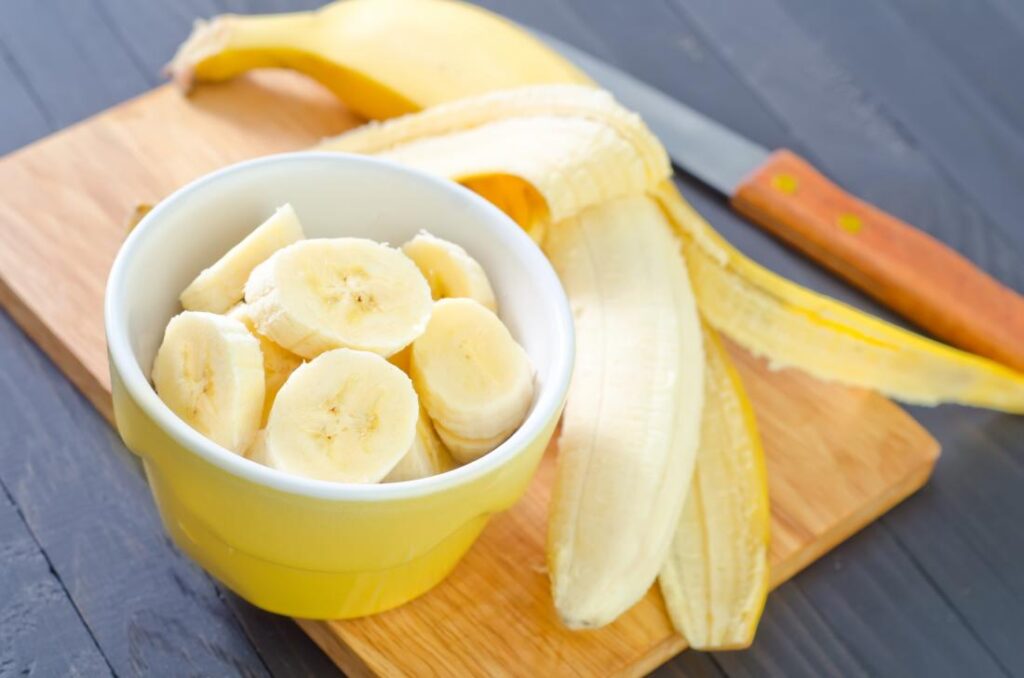
Bananas are one of the best natural sources of potassium. They help balance sodium levels and reduce strain on blood vessels.
Eating one banana daily can benefit your heart.
6. Fatty Fish
Fish like salmon, sardines, and mackerel contain omega-3 fatty acids that reduce inflammation and improve blood vessel function.
Including fatty fish in your diet twice a week is highly beneficial.
7. Garlic
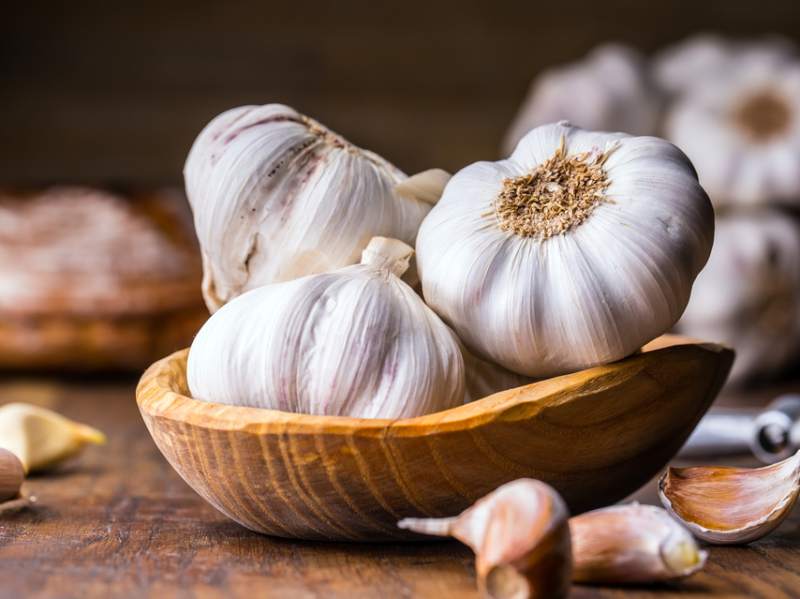
Garlic contains allicin, a natural compound that helps improve blood flow and relax blood vessels.
Adding garlic regularly to meals can help maintain healthy blood pressure.
8. Nuts and Seeds
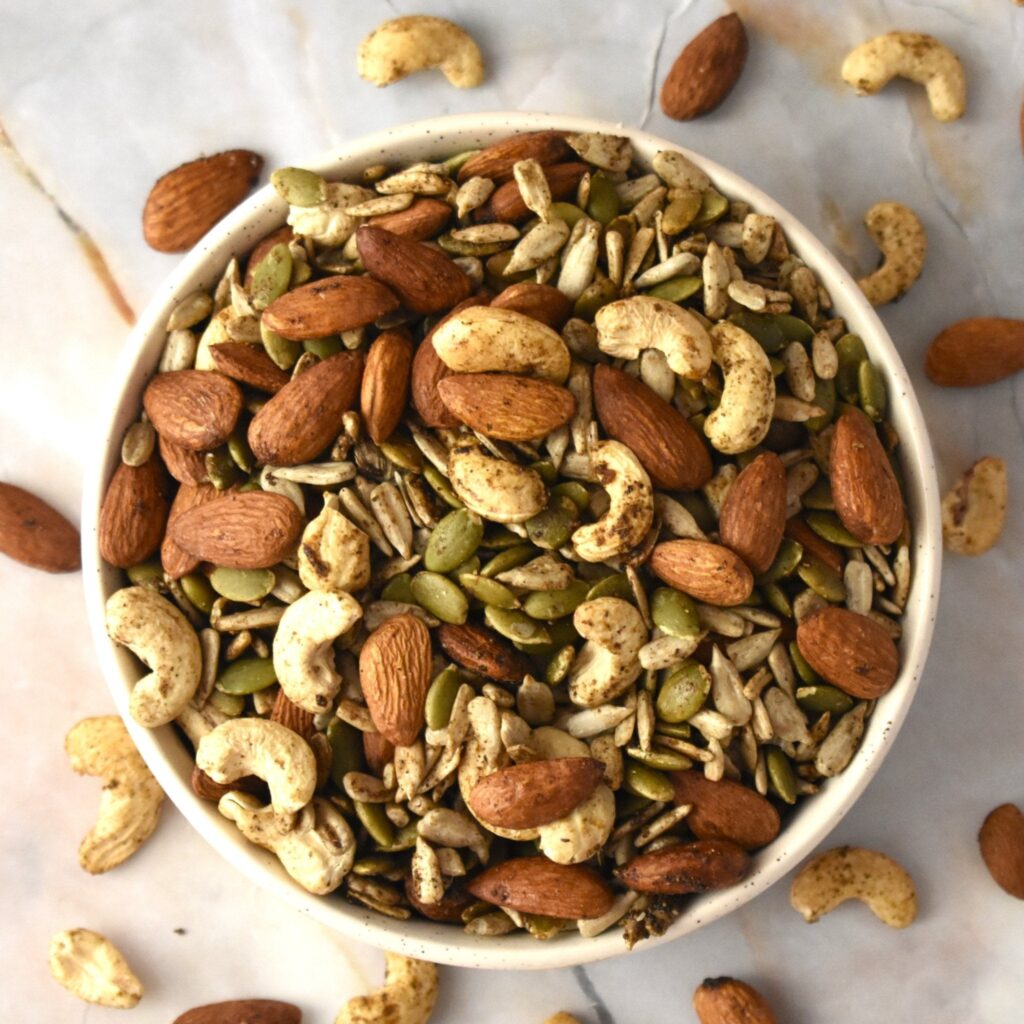
Almonds, walnuts, flaxseeds, and chia seeds provide magnesium, healthy fats, and plant protein. These nutrients are essential for heart health and blood pressure control.
A small handful daily is enough.
9. Dark Chocolate
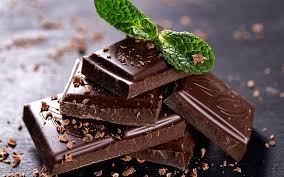
Dark chocolate rich in cocoa contains flavonoids that improve blood vessel flexibility. Eating small amounts in moderation may help lower blood pressure.
10. Pomegranate
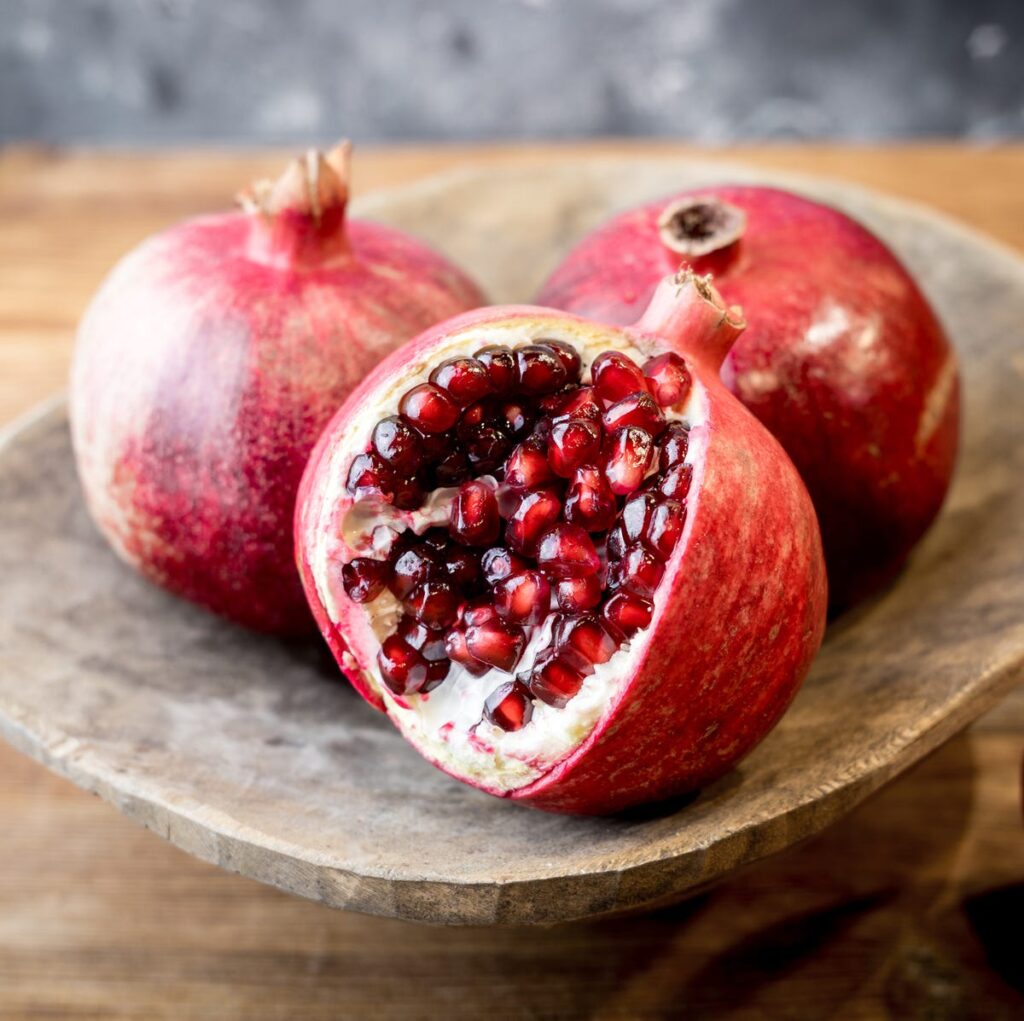
Pomegranate is rich in antioxidants that support healthy circulation and help relax blood vessels.
You can drink fresh juice or eat the fruit directly.
Quick FAQs
Can food alone control high BP?
Diet and lifestyle changes can help in mild cases, but medical advice is important.
How much potassium is needed daily?
Adults usually need around 3,500–4,700 mg per day.
Is salt the only cause of high BP?
No. Stress, inactivity, genetics, and smoking also play a role.
How soon can diet show results?
Some people see improvement within a few weeks, but consistency is key.
Final Note
This article is for informational purposes only. Always consult a healthcare professional before making major dietary changes.
High blood pressure can be managed effectively with the right lifestyle choices. Along with medication and regular exercise, adding these healthy foods to your daily diet can make a big difference. Always consult your doctor before making major dietary changes, especially if you have a medical condition.
Managing high blood pressure naturally takes consistency and healthy habits. Along with these foods, staying active, reducing stress, and limiting processed salt can greatly improve your overall heart health over time.
A healthy diet not only helps control blood pressure but also improves mental well-being. You can also check our guide on 9 Foods That Can Naturally Boost Your Mood