Grey Hair: Causes, Myths, Prevention & Natural Care Guide
Grey hair is becoming a common concern not only for older adults but also for young people today. While aging is a natural reason for grey hair, factors like stress, poor diet, and lifestyle habits are causing premature grey hair in many individuals. Understanding the real causes of grey hair and adopting the right care routine can help slow down the process and maintain healthy, strong hair.
Grey hair is something almost everyone experiences at some stage of life. For some, it’s a sign of wisdom and maturity, while for others, especially when it appears early, it can be a cause of concern or insecurity. In today’s fast-paced lifestyle, many young people are noticing grey strands much earlier than expected, raising questions about why it happens and how it can be managed.
This blog will help you understand everything about grey hair from causes and myths to prevention, remedies, and lifestyle changes, so you can deal with it confidently.
What is Grey Hair?
Hair gets its natural color from a pigment called melanin, which is produced by specialized cells called melanocytes. As long as melanocytes are active, they keep producing melanin, giving your hair its natural black, brown, or blonde color.
When these cells slow down or stop producing melanin, hair begins to lose its color, turning grey, silver, or white.
Why Does Hair Turn Grey?
Grey hair is primarily a natural part of aging, but several factors can accelerate the process.
1. Aging (Natural Cause)
As we age, the production of melanin gradually decreases. This is why most people begin to notice grey hair in their 30s or 40s. It’s completely normal and unavoidable.
2. Genetics
If your parents or grandparents had early greying, chances are you might experience it too. Genetics plays a major role in determining when your hair starts to lose its color.
3. Stress
Stress doesn’t directly turn hair grey overnight, but chronic stress can damage melanocyte cells. Over time, this may contribute to premature greying.
4. Nutritional Deficiencies
Lack of essential nutrients like:
- Vitamin B12
- Iron
- Zinc
- Copper
can lead to early greying. Poor diet is one of the most common modern causes.
5. Hormonal Imbalance
Hormonal changes due to thyroid disorders or other conditions can affect hair pigmentation and lead to premature greying.
6. Chemical Hair Products
Frequent use of harsh shampoos, dyes, and styling products can damage hair follicles and reduce melanin production.
7. Smoking
Smoking increases oxidative stress in the body, which damages hair follicles and accelerates greying.
Common Myths About Grey Hair
There are many myths surrounding grey hair. Let’s clear them up:
Myth 1: Plucking one grey hair causes more to grow
Truth: Each hair follicle works independently. Plucking one grey hair will not cause more to grow, but it can damage the follicle.
Myth 2: Grey hair is always permanent
Truth: If greying is caused by nutritional deficiency or stress, it can sometimes be slowed or partially reversed.
Myth 3: Only old people get grey hair
Truth: Many teenagers and people in their 20s now experience premature greying due to lifestyle factors.
Can Grey Hair Be Reversed?
This is the most common question—and the honest answer is:
If grey hair is due to aging or genetics, it cannot be reversed completely.
If it is due to lifestyle, stress, or deficiency, improvement is possible.
Early intervention can slow down the process significantly.
Natural Remedies for Grey Hair
If you prefer natural solutions, here are some remedies that may help maintain hair health and delay greying:
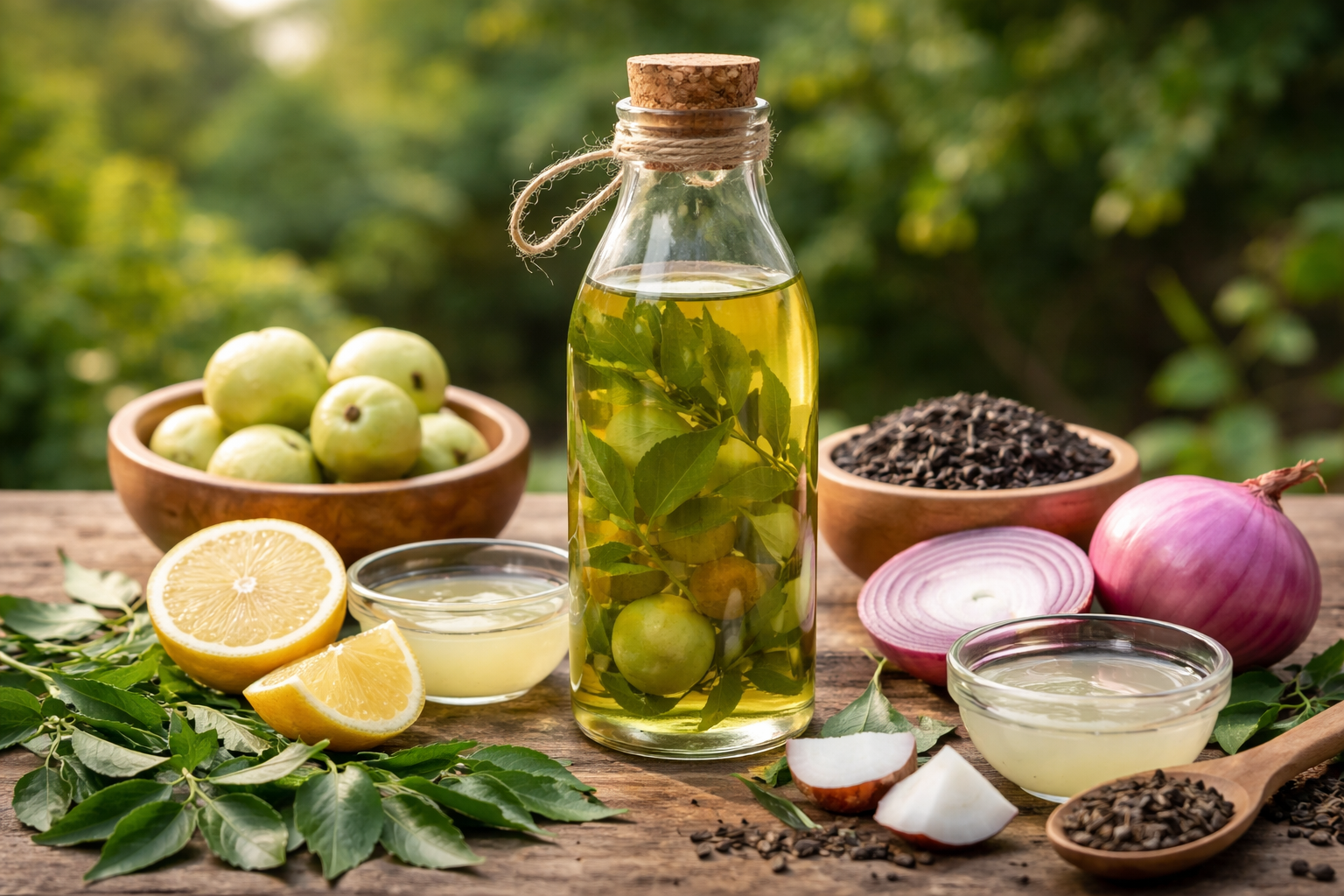
1. Amla (Indian Gooseberry)
Amla is rich in Vitamin C and antioxidants.
How to use:
- Drink amla juice daily
- Apply amla oil to hair
2. Curry Leaves
Curry leaves help restore melanin production.
How to use:
- Boil curry leaves in coconut oil and apply to scalp
3. Coconut Oil & Lemon
This combination nourishes hair and improves scalp health.
4. Black Tea Rinse
Black tea can darken hair temporarily and add shine.
5. Onion Juice
Rich in catalase, onion juice may reduce hydrogen peroxide buildup in hair follicles.
Diet for Healthy Hair
Your diet plays a huge role in hair pigmentation.
Include:
Leafy greens (spinach, methi)
Nuts and seeds (almonds, walnuts)
Dairy products (milk, curd)
EggsFruits rich in Vitamin C
Avoid:Junk food
Excess sugar
Processed foods
A balanced diet helps maintain melanin production.
Lifestyle Changes to Prevent Grey Hair
1. Manage StressPractice yoga, meditation, or simple breathing exercises daily.
2. Get Proper SleepLack of sleep affects overall health, including hair.
3. Avoid Overuse of Chemicals
Limit hair coloring, straightening, and harsh shampoos.
4. Stay HydratedDrink enough water to keep your scalp healthy.
Hair Care Tips for Grey Hair
Once hair turns grey, it needs extra care.Use sulfate-free shampoo
Condition regularly
Avoid heat stylingUse natural oils like coconut or almond oil
Grey hair tends to be drier, so moisturizing is important.
Should You Dye Grey Hair?
This depends on personal choice.
Pros:
- Restores natural look
- Boosts confidence
Cons:
- Requires maintenance
- Chemicals can damage hair
If you choose to dye:
- Use ammonia-free products
- Try natural dyes like henna
Embracing Grey Hair
In today’s world, grey hair is no longer seen as something to hide. Many people proudly embrace their silver strands as a sign of confidence and individuality.
Celebrities and influencers have made grey hair trendy, proving that beauty is not defined by age or color.
When to See a Doctor
If you notice:
- Sudden rapid greying
- Hair loss along with greying
- Weakness or fatigue
It may indicate a health issue like Vitamin B12 deficiency or thyroid problems.
In such cases, consult a doctor.
Final Thoughts
Grey hair is a natural part of life, but premature greying can often be managed with the right care. Instead of stressing over it, focus on maintaining a healthy lifestyle, balanced diet, and proper hair care routine.
Remember: You cannot always control greying, but you can control how you respond to it.
Healthy hair is more important than just hair color.
Whether you choose to treat, cover, or embrace your grey hair, confidence is what truly makes you look beautiful.
You may also like :
Best Glowing Drinks You Can Buy Online (For Radiant, Healthy Skin)
Rice Water for Hair Growth – Get Thick, Long & Healthy Hair Naturally
Baby Oil for Skin: Remove Wrinkles, Dark Spots and Boost Collagen Naturally